

Blog

When the Body Struggles to Heal: How Peptides May Support Recovery

Healing peptides supporting tissue repair, nerve recovery, immune defense, and healing

When the Body Struggles to Heal: How Peptides May Support Recovery

Healing is something most of us take for granted—until it doesn’t happen the way we expect. A strained muscle may feel better within a few weeks, while a tendon injury can linger for months. Nerve pain may continue long after an injury, and problems involving a chronic wound or the lining of the gut can be even more difficult because inflammation and the immune system may also be involved.

The reason is that healing is not one single process. Injured tissue needs good blood flow. Repair cells have to reach the damaged area and begin rebuilding it. Inflammation needs to be controlled without interfering with normal healing. Damaged nerves may need additional support to recover. And when the skin or gut lining is damaged, the body may also need to protect the area from harmful microorganisms while repairing the tissue.

This is why the term healing peptides can be a little misleading. BPC-157, TB-500, ARA-290, and LL-37 may all be discussed for healing and recovery, but they do not work in the same way. BPC-157 and TB-500 are more closely associated with tissue repair and remodeling. ARA-290 brings nerve recovery and control of inflammation into the picture. LL-37 adds another layer by helping the body defend against microorganisms while supporting the immune response and repair of damaged barriers. Understanding these differences changes the question from “Which healing peptide is best?” to What is interfering with healing, and which part of the recovery process are we trying to support?”

BPC-157: Supporting Tissue and Gut Repair

BPC-157 is one of the better-known peptides associated with healing and recovery, particularly for tendons, ligaments, muscles, and the gastrointestinal tract. To understand why, it helps to think about what actually has to happen after tissue is injured.

Imagine a damaged construction site. Before rebuilding can really begin, you need roads to bring in supplies, workers who can reach the damaged area, and a way for those workers to organize the new structure. Healing tissue faces many of the same challenges. It needs blood flow to deliver oxygen and nutrients, repair cells have to move into the injured area, and fibroblasts have to begin producing and organizing collagen.

BPC-157 appears to influence several parts of this process. It affects signaling involved in angiogenesis, or the development and repair of blood vessels, helping establish the “roads” that supply recovering tissue. It also influences fibroblast migration, helping these important repair cells move into the injured area. Once there, fibroblasts help produce and organize the collagen that gives tendons, ligaments, and other connective tissues their structure. BPC-157 also appears to influence inflammatory and nitric-oxide signaling, which can affect blood flow and the overall environment in which healing takes place.

This same repair biology helps explain the interest in BPC-157 for the gut. The intestinal lining is constantly being exposed to food, digestive chemicals, microorganisms, and inflammation. When that protective lining becomes injured, cells have to migrate, restore the barrier, and rebuild the damaged tissue. BPC-157 has demonstrated protective and healing effects in several areas of the gastrointestinal tract in experimental research.

So rather than thinking of BPC-157 as something that simply “makes an injury heal,” think of it as potentially helping organize the environment the body needs to repair damaged tissue—improving access to the injury, helping repair cells get where they need to go, and supporting the rebuilding process once they arrive.

TB-500: Helping Repair Cells Get Where They Need to Go

If BPC-157 helps create a better environment for healing, TB-500 brings another important part of the repair process into the picture: getting repair cells where they need to go. TB-500 is related to thymosin beta-4, a naturally occurring peptide involved in tissue repair and regeneration.

Think about the same construction site. Having roads and supplies available does not help much if the workers cannot actually reach the damaged area. Healing tissue has a similar challenge. Cells involved in repair need to move into the injury, organize themselves, and begin rebuilding the damaged tissue.

One way thymosin beta-4 helps with this process involves a protein inside our cells called actin. Actin acts like a flexible internal framework. Cells can rearrange this framework to change their shape and move through tissue. Thymosin beta-4 helps regulate actin, which is one reason it has such an important connection to cell movement during healing.

But movement is only part of the process. Thymosin beta-4 has also been studied for its effects on new blood-vessel formation, inflammation, cell survival, and tissue remodeling. Together, these actions may help repair cells reach an injury and create the conditions needed to rebuild and reorganize damaged tissue.

This is why BPC-157 and TB-500 are often discussed together, but they should not be thought of as doing the same job. Using our construction analogy, BPC-157 helps create and support the repair environment, while TB-500 helps the workers move into position and participate in rebuilding the damaged tissue.

ARA-290: When Healing Involves Nerves

BPC-157 and TB-500 bring us into the repair of damaged tissue, but nerve injuries create a different problem. A tendon or muscle needs to rebuild its structure. An injured nerve also has to restore its ability to communicate normally.

Think of a nerve like an electrical wire carrying information between the body and the brain. When that wire becomes damaged or irritated, the signal can become distorted. Instead of normal sensation, the nerve may begin producing pain, burning, tingling, or numbness. Inflammation around the nerve can keep those abnormal signals going and make recovery more difficult.

ARA-290 works through a pathway called the Innate Repair Receptor (IRR). When tissue is injured, this receptor helps activate signals that protect injured cells, reduce damaging inflammation, and support repair. Rather than simply blocking a pain signal, ARA-290 is being studied for its ability to improve the environment around an injured nerve and potentially support the recovery process.

What makes ARA-290 particularly interesting is the human research involving small-fiber neuropathy. Studies have reported improvements in nerve-related symptoms such as pain, burning, and tingling, along with measurable changes in small nerve fibers. This suggests ARA-290 may be doing more than changing how an injured nerve feels—it may also be influencing the nerve-repair process itself.

LL-37: When Healing Also Requires Defense

LL-37 brings us to another type of healing. Sometimes the body is not only trying to repair damaged tissue—it also has to protect that tissue from microorganisms while it heals. This is especially important at protective surfaces such as the skin and the lining of the gut.

Think of our construction site again, but this time the damage has created an opening in the security fence. The workers need to rebuild the damaged area while also preventing unwanted visitors from getting through. LL-37 helps the body manage both problems.

LL-37 is a naturally occurring host-defense peptide. It can interact directly with certain microorganisms and interfere with biofilms, the protective communities that bacteria and other microorganisms can build around themselves. At the same time, LL-37 helps coordinate the immune response and influences the epithelial cells responsible for rebuilding damaged protective barriers.

This is what makes LL-37 so different. The body isn’t just trying to rebuild damaged tissue—it may be trying to defend that tissue at the same time. LL-37 connects microbial defense, immune regulation, and tissue repair, making it particularly interesting when these processes overlap, such as with chronic wounds or damage to the gut lining.

Why the Type of Injury Matters

Looking at these four peptides together makes one thing clear: healing peptides are not interchangeable.

BPC-157 may help create an environment that supports tissue repair by influencing blood vessels, repair cells, and connective tissue. TB-500 adds another piece by helping cells move into the injured area and participate in remodeling. ARA-290 shifts the focus toward injured nerves and the inflammation surrounding them. LL-37 becomes more relevant when healing also involves microorganisms, immune activity, and a damaged protective barrier.

This is why choosing a peptide should start with understanding what tissue is injured and what may be preventing it from recovering. A chronic tendon injury is different from small-fiber neuropathy, and both are very different from a wound that is struggling to close.

Sometimes more than one part of the healing process needs support. This is one reason clinicians may occasionally combine peptides such as BPC-157 and TB-500 when their actions may complement one another. But adding more peptides does not automatically mean better healing. The goal is to match the treatment to the biology of the injury.

The Bottom Line

That is why I believe peptide therapy should start with a different question: What is keeping this tissue from healing? Once we understand the injury and what may be slowing recovery, we can determine whether a peptide fits the problem and which one makes the most sense.

If you have an injury that is taking longer than expected to heal, ongoing nerve-related symptoms, or another condition where recovery has stalled, the first step is understanding why the body is struggling to recover.

At Axios Health & Wellness, we look at the type of tissue involved, what may be interfering with healing, and whether peptide therapy makes sense as part of the overall treatment plan. The goal is not simply to prescribe a “healing peptide,” but to choose a treatment that matches what your body is actually trying to repair.

Schedule a consultation with Axios Health & Wellness to learn whether peptide therapy may be appropriate for your recovery.

About the Authors

This article was co-written by Jay Griffin, FNP-C, CRNFA, and Lacey Fisher, FNP-BC, PMHNP-BC.

Jay and Lacey are board-certified Family Nurse Practitioners and hormone optimization specialists at Axios Health & Wellness. Together, they bring decades of clinical experience in hormone replacement therapy, thyroid optimization, peptide therapy, medical weight loss, and regenerative medicine.

Their goal is to help patients better understand the science behind their health and make informed decisions through evidence-based, personalized care.

Jay Griffin, FNP-C, CRNFA

Board-Certified Family Nurse Practitioner
Hormone Optimization Specialist
Founder, Axios Health & Wellness

Lacey Fisher, FNP-BC, PMHNP-BC

Board-Certified Family Nurse Practitioner
Board-Certified Psychiatric Mental Health Nurse Practitioner
Hormone Optimization Specialist
Axios Health & Wellness

Frequently asked questions

What are healing peptides?

Healing peptides are short chains of amino acids that may influence different processes the body uses during recovery. Depending on the peptide, these may include blood-vessel formation, movement of repair cells, inflammation, nerve recovery, immune regulation, and tissue remodeling. Because each peptide works differently, the best choice depends on the type of tissue involved and what may be interfering with healing.


What is the difference between BPC-157 and TB-500?

BPC-157 and TB-500 may support different parts of tissue repair. BPC-157 appears to help create an environment that supports healing, including blood flow and the activity of repair cells. TB-500 is related to thymosin beta-4 and is more closely associated with cell movement and tissue remodeling. This is why clinicians sometimes consider the two peptides together for musculoskeletal injuries.


Which peptide may be considered when nerve pain is part of the problem?

ARA-290 has been studied for its potential role in nerve protection and recovery, particularly in small-fiber neuropathy. It works through the Innate Repair Receptor (IRR), which helps protect injured cells and control inflammation. Human studies have reported improvements in nerve-related symptoms such as pain, burning, and tingling, along with measurable changes in small nerve fibers.


What makes LL-37 different from other healing peptides?

LL-37 is a naturally occurring host-defense peptide.

In addition to supporting tissue and barrier repair, LL-37 can interact with microorganisms and interfere with biofilms. It may also help regulate the immune response. This makes LL-37 particularly interesting when healing, immune activity, and microbial exposure occur together. This can happen with chronic wounds or damage to protective barriers.


Can healing peptides be used together?

Sometimes. BPC-157 and TB-500 may work well together because each influences a different part of the repair process. However, using more peptides does not automatically mean better healing. The goal is to identify the injured tissue, understand what may be limiting recovery, and choose the peptide or combination that best fits the problem.

References

Chang CH, Tsai WC, Lin MS, Hsu YH, Pang JH. The promoting effect of pentadecapeptide BPC 157 on tendon healing involves tendon outgrowth, cell survival, and cell migration. Journal of Applied Physiology

Goldstein AL, Hannappel E, Sosne G, Kleinman HK. Thymosin β4: a multi-functional regenerative peptide. Basic properties and clinical applications. Expert Opinion on Biological Therapy. 2012

Dahan A, et al. ARA 290 improves symptoms in patients with sarcoidosis-associated small nerve fiber loss and increases corneal nerve fiber density. Molecular Medicine. 2013

Grönberg A, Mahlapuu M, Ståhle M, Whately-Smith C, Rollman O. Treatment with LL-37 is safe and effective in enhancing healing of hard-to-heal venous leg ulcers: a randomized, placebo-controlled clinical trial. Wound Repair and Regeneration. 2014

Women’s BHRT in Longmont: A Personalized Approach to Hormone Replacement Therapy

Women’s Hormone Replacement Therapy in Longmont: A Personalized Approach

One of the biggest misconceptions we hear about menopause is that it begins when your periods stop.

It doesn’t.

For many women, hormonal changes begin years before their final menstrual period. Sleep changes. Energy declines. Weight starts accumulating differently. Anxiety or irritability may appear unexpectedly. Sex drive changes. Brain fog becomes frustrating. Hot flashes, night sweats, vaginal dryness, and changes in menstrual cycles may seem to appear out of nowhere.

In our Longmont clinic, we frequently meet women who initially come in for one concern—poor sleep, low libido, weight changes, fatigue, or increasing anxiety—only to realize that several of these changes started around the same time.

Too often, they have been told this is simply part of getting older.

At Axios Health & Wellness in Longmont, Colorado, we believe women deserve a more complete answer. Our approach to women’s hormone replacement therapy starts by understanding what has changed, what may be causing those changes, and whether hormone therapy is actually the right treatment.

Menopause Is About More Than Hot Flashes

Estrogen, progesterone, and testosterone influence far more than reproduction. Hormonal changes during perimenopause and menopause can affect sleep, sexual function, vaginal tissues, bone health, body composition, and overall well-being.

But every woman experiences this transition differently.

One woman may struggle primarily with hot flashes. Another may experience insomnia, vaginal dryness, anxiety, or decreased sexual desire. Others tell us something harder to define:

“I just don’t feel like myself anymore.”

This is why we don’t believe menopause treatment in Longmont should begin with a predetermined hormone protocol.

It should begin with the woman sitting in front of us.

Perimenopause Can Begin Years Before Menopause

Menopause occurs after 12 consecutive months without a menstrual period, assuming another medical condition is not responsible. Perimenopause is the transition leading up to menopause, and it can last for several years.

During this time, hormone levels can fluctuate considerably. Estrogen, for example, does not simply decline in a predictable straight line.

This is why a single hormone test may not tell the entire story.

Laboratory testing can provide useful information, but we interpret those results alongside symptoms, menstrual patterns, medications, medical history, age, and other clinical factors.

At Axios, we do not treat a laboratory number.

We treat the patient.

For women seeking perimenopause treatment in Longmont, our goal is to understand which symptoms may be related to hormonal changes while making sure we are not overlooking something else.

What Is Women’s Hormone Replacement Therapy?

Women’s hormone replacement therapy is used to replace or supplement hormones that decline or fluctuate during perimenopause and menopause.

Treatment may involve estrogen, progesterone, and, for appropriately selected women, testosterone. Bioidentical hormones, such as estradiol and micronized progesterone, have the same molecular structure as hormones naturally produced by the human body.

Hormones may be commercially manufactured or prepared by a compounding pharmacy. At Axios Health & Wellness, we frequently use compounded hormone therapy because it allows us to individualize certain formulations, strengths, combinations, and delivery methods based on a patient’s clinical needs.

Compounded medications are not FDA-approved in the same manner as commercially manufactured medications, and we believe patients should understand that distinction.

When we use compounded hormones, they are prescribed based on the individual patient and obtained through reputable compounding pharmacies. Follow-up and ongoing monitoring are important parts of treatment.

Our goal is not to prescribe something simply because it is called “natural” or “bioidentical.”

Our goal is to determine which treatment makes sense for you.

Estrogen and Progesterone: Why the Details Matter

Estrogen is one of the primary hormones affected during menopause. Declining estrogen can contribute to hot flashes, night sweats, vaginal dryness, painful intercourse, and bone loss. Systemic estrogen—meaning estrogen that circulates throughout the body—remains the most effective treatment for menopausal hot flashes and night sweats.

But prescribing estrogen involves more than deciding whether someone needs it.

The type of estrogen, dose, delivery method, symptoms, medical history, and individual risk factors all matter.

Progesterone matters too.

For women who still have a uterus and use systemic estrogen, adequate progesterone is generally necessary to help protect the uterine lining.

This is why the better question is not simply:

“Do I need hormones?”

It is:

“Which hormones, at what dose, and in what form are appropriate for me?”

What About Testosterone for Women?

Women produce testosterone too.

Testosterone has received tremendous attention online for libido, energy, muscle, body composition, and overall well-being. This is one area where we believe it is especially important to separate good medicine from internet hype.

That does not mean every woman with fatigue or low libido needs testosterone.

One thing we have learned from treating women with hormone concerns is that symptoms frequently overlap. Low libido, fatigue, poor sleep, brain fog, and weight changes can occur during perimenopause and menopause, but that does not automatically mean one hormone is the answer.

Sexual health, energy, and overall well-being can be influenced by estrogen and progesterone changes, thyroid function, sleep, stress, medications, metabolic health, mental health, relationship factors, and other medical conditions.

Good hormone care requires asking why a symptom is occurring, looking at the entire clinical picture, and then determining whether testosterone or another treatment may be appropriate.

What We Know About Hormone Therapy Has Changed

Much of the fear surrounding hormone replacement therapy began after early findings from the Women’s Health Initiative (WHI) were released in 2002.

Those findings dramatically changed menopause care.

Over the following two decades, continued research created a much more nuanced understanding of hormone therapy. Today, clinicians consider factors such as a woman’s age, timing relative to menopause, medical history, hormone formulation, route of administration, and individual risk factors.

In February 2026, the FDA approved significant labeling changes for certain menopausal hormone therapy products, including removal of cardiovascular disease, breast cancer, and probable dementia statements from the boxed warning for the first group of affected products.

This does not mean hormone therapy is risk-free or appropriate for every woman.

It means women deserve a conversation based on current evidence rather than fear or outdated assumptions.

Sometimes the Problem Isn’t Just Hormones

This is one of the most important parts of the evaluation.

Not every symptom after forty is caused by menopause.

Fatigue, brain fog, weight changes, poor sleep, hair changes, low libido, and mood symptoms may overlap with thyroid dysfunction, insulin resistance, nutritional deficiencies, medication effects, sleep problems, and other medical conditions.

We often meet women who assume they simply need more estrogen or testosterone. Sometimes hormones are part of the answer. Sometimes another problem needs attention too.

Frequently, it is a combination of factors.

That is why our approach to women’s hormone replacement therapy in Longmont looks beyond a hormone panel and considers the bigger picture.

What Personalized Women’s Hormone Replacement Therapy Should Look Like

Hormone optimization should never mean pushing hormone levels as high as possible.

More hormone is not necessarily better.

A thoughtful women’s hormone replacement therapy plan begins with understanding your symptoms, medical and family history, medications, relevant laboratory findings, risk factors, and what you hope to accomplish with treatment.

Then we monitor.

We want to know what improved, what didn’t, whether you experienced side effects, and whether the treatment still makes sense as your health and symptoms change.

For us, that ongoing relationship is just as important as the initial prescription.

The Bottom Line

Perimenopause and menopause affect far more than menstrual cycles, and women should not have to choose between being told that everything they are experiencing is “just aging” and receiving a one-size-fits-all hormone protocol.

There is a better middle ground.

At Axios Health & Wellness, we provide personalized women’s hormone replacement therapy and menopause treatment in Longmont by considering symptoms, medical history, laboratory findings when appropriate, thyroid and metabolic health, sexual health, sleep, lifestyle, and individual treatment goals.

Hormone replacement therapy is not right for every woman.

But every woman deserves to understand her options.

Looking for Women’s Hormone Replacement Therapy or Menopause Treatment in Longmont?

If you are experiencing hot flashes, night sweats, poor sleep, low libido, vaginal dryness, brain fog, changes in body composition, or simply do not feel like yourself, we are here to help.

At Axios Health & Wellness in Longmont, Colorado, we provide personalized evaluation and women’s hormone replacement therapy for patients navigating perimenopause and menopause.

Our goal is not simply to prescribe hormones. It is to help you understand what may be contributing to your symptoms and determine which treatment options make sense for you.

Schedule your consultation today to learn whether personalized women’s hormone replacement therapy may be appropriate for you.

Axios Health & Wellness
700 Ken Pratt Blvd., Suite 108
Longmont, CO 80501
(720) 899-9400
axioshealthco.com

Written By

This article was written by Jay Griffin, FNP-C, CRNFA, and Lacey Fisher, FNP-BC, PMHNP-BC, board-certified Family Nurse Practitioners and hormone optimization specialists at Axios Health & Wellness.

Together, they bring decades of clinical experience in hormone replacement therapy, thyroid optimization, peptide therapy, medical weight loss, and regenerative medicine. Their approach emphasizes individualized evaluation, evidence-based treatment, patient education, and ongoing monitoring.

Jay Griffin, FNP-C, CRNFA

Board-Certified Family Nurse Practitioner
Hormone Optimization Specialist
Founder, Axios Health & Wellness

Lacey Fisher, FNP-BC, PMHNP-BC

Board-Certified Family Nurse Practitioner
Board-Certified Psychiatric Mental Health Nurse Practitioner
Hormone Optimization Specialist
Axios Health & Wellness

Frequently Asked Questions

What is women’s hormone replacement therapy?

Women’s hormone replacement therapy uses hormones such as estrogen and progesterone to address hormonal changes that occur during perimenopause and menopause. Testosterone may also be considered for some women based on symptoms, medical history, laboratory findings, and individual treatment goals.


What symptoms may improve with hormone replacement therapy?

Hormone replacement therapy may help with symptoms such as hot flashes, night sweats, sleep disruption, vaginal dryness, painful intercourse, and other symptoms associated with hormonal changes. Because fatigue, low libido, brain fog, mood changes, and weight changes can have multiple causes, we evaluate the whole clinical picture rather than assuming every symptom is hormone-related.


Do I need hormone testing before starting treatment?

Yes. At Axios Health & Wellness, every woman receives laboratory testing as part of her evaluation before starting hormone replacement therapy. Hormone levels can fluctuate significantly during perimenopause, so we interpret laboratory results alongside your symptoms, menstrual history, medications, medical history, and other clinical factors. We may also evaluate thyroid function, metabolic health, and other markers when appropriate to help identify additional factors that could be contributing to your symptoms.


Does Axios Health & Wellness prescribe compounded hormones?

Yes. We frequently use compounded hormone therapy when it allows us to individualize certain formulations, strengths, combinations, or delivery methods based on a patient’s clinical needs. When compounded hormones are prescribed, we use reputable compounding pharmacies and include appropriate follow-up and ongoing monitoring as part of treatment.


How do I know if women’s hormone replacement therapy is right for me?

There is no one-size-fits-all answer. We consider your symptoms, stage of perimenopause or menopause, medical and family history, medications, relevant laboratory findings, risk factors, and treatment goals. The purpose of the evaluation is not simply to prescribe hormones—it is to determine what may be contributing to your symptoms and whether hormone replacement therapy is an appropriate option for you.


References

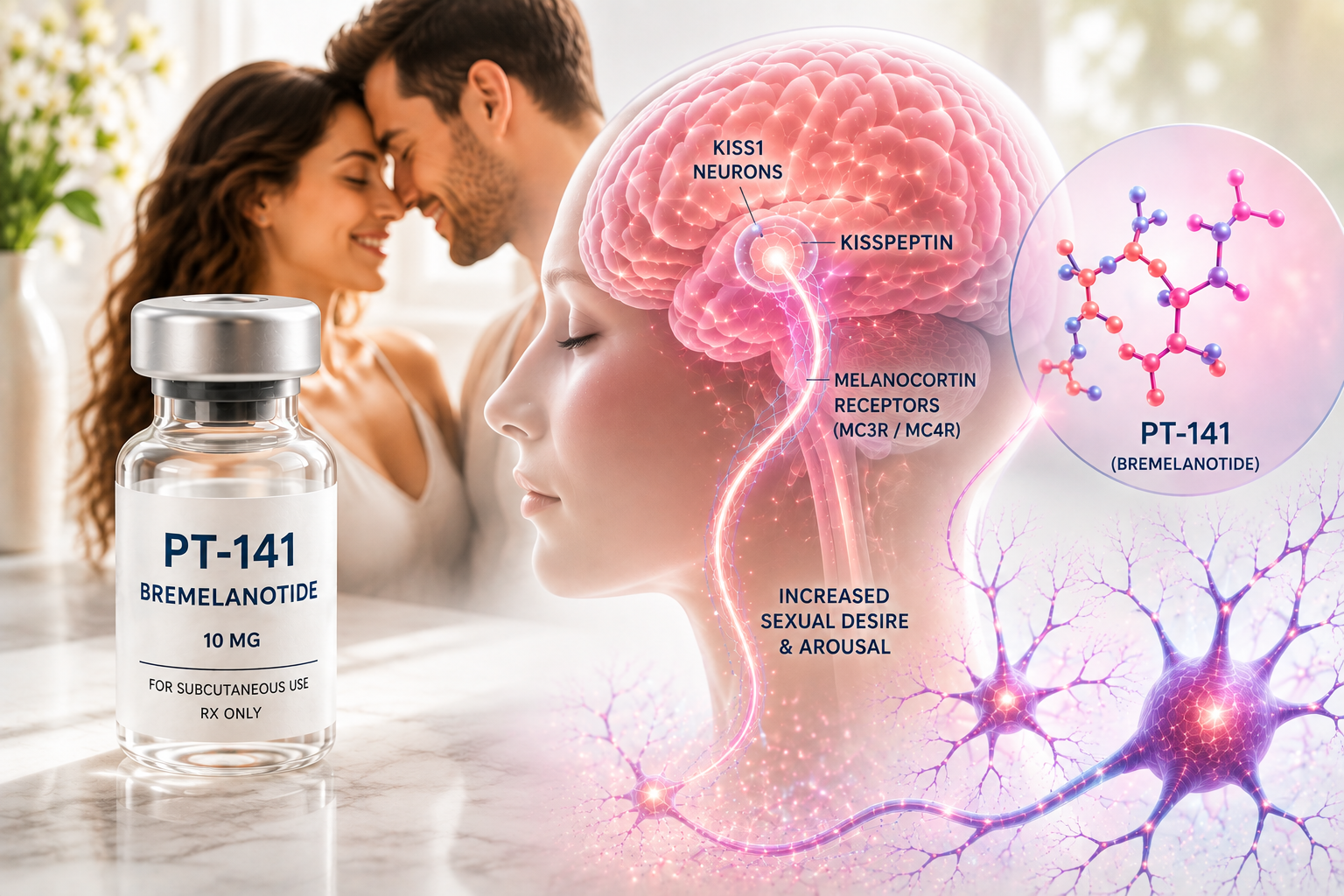
Lost That Spark? Reigniting Desire: The Science Behind Peptide PT-141

PT-141 works through brain pathways involved in sexual desire and arousal.

Lost That Spark? Reigniting Desire: The Science Behind Peptide PT-141

Sexual desire can change for a lot of reasons. Hormones, stress, relationships, medications, sleep, and overall health can all play a role. But sometimes we correct the obvious problems, optimize hormones, and a patient still tells me, “I just don’t have the desire I used to have.” That is when we have to look beyond hormone levels and recognize that sexual desire is more complicated than a lab result.

PT-141, also known as bremelanotide, is a peptide that takes a very different approach to sexual health. Instead of simply raising hormone levels or focusing on blood flow, PT-141 works through the brain, where sexual interest and arousal actually begin. That makes it especially interesting for people who feel physically capable of having sex but have lost some of the desire, excitement, or responsiveness they once had.

PT-141 isn’t meant to replace good hormone management or fix every cause of low libido. Instead, it gives us another way to approach sexual health when the problem isn’t just physical. For the right patient, targeting the desire and arousal side of the sexual response may be the missing piece.

What Is PT-141 and How Does It Work?

PT-141 is a peptide, also known as bremelanotide, that has a pretty interesting history. It wasn’t originally developed to improve sexual desire. It came from research on another peptide called Melanotan II, which was being studied for its effects on skin pigmentation. During those studies, researchers noticed an unexpected effect—increased sexual interest and arousal.

That discovery led researchers to focus specifically on the peptide’s effects on sexual response, eventually leading to PT-141. Unlike many treatments used for sexual health, PT-141 doesn’t work primarily by changing hormone levels or increasing blood flow. It works through the brain and the signaling involved in sexual desire and arousal.

More specifically, PT-141 activates a group of receptors called melanocortin receptors, particularly the MC4 receptor. We don’t need to get overly technical about the receptor itself, but it is important to understand what happens when it is activated. This system helps regulate sexual motivation, interest, and the way the brain responds to sexual cues.

One way I like to explain sexual desire is to think of the brain as having an accelerator and a brake. Certain signals help move us toward sexual interest and arousal, while others can slow that response down. Dopamine is one of the important signals associated with sexual motivation and reward. PT-141 appears to help shift that balance toward the signals that support sexual interest and arousal.

That doesn’t mean PT-141 simply creates sexual desire on command. Attraction, touch, emotional connection, stimulation, and the situation itself still matter. Instead, PT-141 may help the brain become more responsive to those sexual cues, allowing desire and arousal to build more easily when the opportunity is already there.

This is what makes PT-141 different from simply trying to raise testosterone or estrogen. Hormones are incredibly important to sexual health, and we always want to address them when they are part of the problem. But sexual desire doesn’t come from a hormone level alone. Those hormonal and sexual signals still have to be interpreted by the brain and turned into desire, excitement, and arousal. PT-141 gives us a way to target that part of the sexual response.

PT-141 for Women: When the Desire Just Isn’t There

For many women, low libido isn’t about whether they can have sex. The problem is that the desire, excitement, or interest just isn’t there anymore. This can be especially frustrating when hormones and other health concerns have been addressed, but that spark still hasn’t returned.

Women are where we have the strongest clinical research on PT-141. Bremelanotide has been studied in women with hypoactive sexual desire disorder (HSDD), where persistent low sexual desire causes personal distress. Clinical trials in certain premenopausal women with HSDD found improvements in sexual desire and reductions in the distress associated with low libido.

PT-141 isn’t expected to suddenly create an overwhelming sex drive. A better way to think about it is helping turn the desire and arousal response back up. For the woman who tells me, “I wish I felt more interested in sex, but that desire just isn’t there,” PT-141 may help make it easier for that interest and excitement to return when sexual cues are present. It can help bridge that gap between being open to intimacy and actually feeling the desire to engage in it.

PT-141 for Men: Desire and Erections Aren’t the Same Thing

For men, sexual desire and the ability to get an erection are connected, but they aren’t the same thing. A man can have normal testosterone levels and be physically capable of getting an erection but still feel like his sexual drive isn’t what it used to be. On the other hand, he may have plenty of desire but struggle with the physical erection itself.

This is where PT-141 is different from medications such as Viagra or Cialis. Those medications primarily improve blood flow to help produce and maintain an erection. PT-141 works through the brain pathways involved in sexual desire and arousal. So while a PDE5 inhibitor focuses more on the physical erection, PT-141 may be useful when sexual interest and arousal are part of the problem.

Research in men is not as extensive as it is in women, but studies have shown that PT-141 can increase sexual arousal and erectile response. For some men, the two approaches may even complement each other because they are working on different parts of sexual function—one helping the brain become sexually engaged and the other helping the body respond physically.

What Does Using PT-141 Actually Feel Like?

PT-141 is typically used as needed rather than every day, which makes it different from many other peptide therapies. It is given as a small subcutaneous injection before anticipated sexual activity. The response isn’t necessarily immediate, so timing matters. Some people begin noticing effects within 30 minutes to a few hours, and the response may last well beyond the initial dose.

What someone feels can also vary. It isn’t necessarily a sudden or uncontrollable urge to have sex. Patients may notice that they are thinking about sex more, becoming interested more easily, or responding more strongly to sexual touch and stimulation. The goal is to enhance the natural sexual response rather than make it feel forced.

The most common side effect is nausea, particularly when first starting PT-141. Flushing, headache, and temporary increases in blood pressure can also occur. Because people can respond very differently, I prefer starting conservatively and finding the lowest amount that provides benefit without creating unnecessary side effects.

The Bottom Line: Sexual Desire Is More Than Hormones

Sexual health is rarely about one hormone, one lab value, or one physical response. For some people, hormones are the missing piece. For others, everything may look good on paper, but the desire and excitement they once felt still haven’t returned. PT-141 gives us another way to approach that part of sexual health by focusing on the brain’s role in desire and arousal.

At Axios Health & Wellness, we don’t look at PT-141 as a stand-alone answer for every person with low libido. We look at the whole picture—hormones, medications, overall health, sexual function, and what has actually changed for that individual. When the desire and arousal response appears to be part of the problem, PT-141 may be one option worth considering.

Ready to Get Your Spark Back?

If your sexual desire isn’t what it used to be, you don’t have to assume it’s simply something you have to accept. Schedule a consultation with Axios Health & Wellness to talk about what’s changed, what may be contributing to it, and whether peptide PT-141 may be appropriate for you.

You can contact us at (720) 899-9400, visit us at 700 Ken Pratt Blvd., Suite 108, Longmont, CO 80501, or learn more at AxiosHealthCO.com.

About the Authors

This article was co-written by Jay Griffin, FNP-C, CRNFA, and Lacey Fisher, FNP-BC, PMHNP-BC.

Jay and Lacey are board-certified Family Nurse Practitioners and hormone optimization specialists at Axios Health & Wellness. Together, they bring decades of clinical experience in hormone replacement therapy, thyroid optimization, peptide therapy, medical weight loss, and regenerative medicine.

Their goal is to help patients better understand the science behind their health and make informed decisions through evidence-based, personalized care.

Jay Griffin, FNP-C, CRNFA

Board-Certified Family Nurse Practitioner
Hormone Optimization Specialist
Founder, Axios Health & Wellness

Lacey Fisher, FNP-BC, PMHNP-BC

Board-Certified Family Nurse Practitioner
Board-Certified Psychiatric Mental Health Nurse Practitioner
Hormone Optimization Specialist
Axios Health & Wellness

Frequently Asked Questions

How quickly does PT-141 work?

PT-141 doesn’t work at exactly the same speed for everyone. Some people may begin noticing an effect within 30 minutes to a few hours, which is why timing the dose before anticipated sexual activity is important.


Does PT-141 increase testosterone or estrogen?

No. PT-141 does not work by increasing testosterone or estrogen. It works through signaling in the brain involved in sexual desire and arousal, which is one of the reasons it may be considered even when hormone levels have already been addressed.


Can both women and men use PT-141?

PT-141 has been studied in both women and men, although the strongest clinical research is in women with low sexual desire. In men, PT-141 may also influence sexual desire and arousal, but it works differently from medications used primarily to improve erectile blood flow.


What are the most common side effects of PT-141?

The most common side effect is nausea, particularly when first using PT-141. Other possible effects include flushing, headache, and temporary increases in blood pressure. Starting conservatively can help determine how an individual responds.


Do you have to take PT-141 every day?

No. Most patients use PT-141 as needed before anticipated sexual activity rather than every day. Your provider can adjust how often you use it and your dose based on your response, side effects, and overall health.

References

Kingsberg SA, Clayton AH, Portman D, et al. Bremelanotide for the Treatment of Hypoactive Sexual Desire Disorder: Two Randomized Phase 3 Trials. Obstetrics & Gynecology.

Pfaus JG, Sadiq A, Spana C, Clayton AH. The Neurobiology of Bremelanotide for the Treatment of Hypoactive Sexual Desire Disorder in Premenopausal Women. CNS Spectrums.

Diamond LE, Earle DC, Rosen RC, Willett MS, Molinoff PB. Double-Blind, Placebo-Controlled Evaluation of Intranasal PT-141 in Healthy Males and Patients With Erectile Dysfunction. International Journal of Impotence Research.

Diamond LE, Earle DC, Garcia WD, Spana C. Co-administration of PT-141 and Sildenafil in Men With Erectile Dysfunction Results in an Enhanced Erectile Response. Urology.

Beyond Collagen: How GHK-Cu Rebuilds Aging Skin

Beyond Collagen: How GHK-Cu Rebuilds Aging Skin

There are hundreds of products promising younger-looking skin, and now peptides have become one of the biggest trends in skin rejuvenation. Some are worth paying attention to, and others have a lot more marketing behind them than science.

One peptide I think is particularly interesting is GHK-Cu, commonly called a copper peptide. What makes GHK-Cu different is how it works. Instead of simply moisturizing the skin or temporarily improving how it looks, GHK-Cu works with some of the natural repair processes your skin already uses. It has been studied for its ability to support collagen and elastin production, skin repair, and the remodeling of damaged tissue.

At Axios Health & Wellness, we use GHK-Cu primarily as a topical skin-remolding treatment, either on its own or as part of a skin rejuvenation plan that includes microneedling with platelet-rich plasma (PRP).

What Is GHK-Cu?

GHK-Cu sounds much more complicated than it really is. GHK is a naturally occurring peptide made from just three amino acids. Our bodies already produce it, and one of its interesting properties is its ability to bind to copper. When the two come together, we call it GHK-Cu.

GHK-Cu has been studied for decades for its role in tissue repair and skin health. One of the reasons we’re interested in it is its effect on fibroblasts, the cells in your skin responsible for producing collagen and elastin. Collagen provides strength and structure to the skin, while elastin allows it to stretch and bounce back.

As we age, we make less of both, and the collagen we already have becomes more damaged and disorganized. That contributes to the fine lines, wrinkles, thinner skin, and loss of firmness we associate with aging. GHK-Cu appears to help support the cells involved in rebuilding that structure.

GHK-Cu Does More Than Make Collagen

This is one of the reasons I like GHK-Cu. When we talk about skin rejuvenation, everyone wants to talk about making more collagen. But simply making more collagen isn’t the whole story. Your skin also needs to get rid of damaged collagen and replace it with healthier, better-organized tissue.

Think about remodeling a house. Before you rebuild an old damaged wall, you first remove the damaged material. Then you replace it and strengthen the new structure. Your skin does something similar.

GHK-Cu appears to support both sides of that process. It helps signal the cells responsible for making new collagen and elastin while also supporting the natural processes involved in clearing and remodeling damaged tissue. That is why I think skin remodeling is a better way to describe GHK-Cu than simply calling it a “collagen peptide.”

How We Use GHK-Cu at Axios:

Topical GHK-Cu Serum

One of the simplest ways we use GHK-Cu is as a topical serum applied directly to the area we’re trying to treat. Our typical protocol is daily topical use for approximately 8–12 weeks. This isn’t something I expect someone to use for three or four days and suddenly wake up with different skin. Collagen production and skin remodeling take time.

The goal is to consistently expose the skin to GHK-Cu while those remodeling processes are taking place. For patients mainly interested in improving the appearance and quality of aging skin, topical GHK-Cu can be used as a stand-alone treatment without having to undergo a procedure.

GHK-Cu After Microneedling with PRP

This is where I think GHK-Cu gets even more interesting. With microneedling with platelet-rich plasma (PRP), also known as the Vampire Facial, we intentionally create thousands of controlled micro-injuries in the skin. We then use platelet-rich plasma from your own blood as part of the treatment. Those tiny injuries essentially tell your skin, it’s time to repair and rebuild. That repair response activates the cells responsible for producing new collagen and rebuilding the skin.

We allow the skin to heal after the procedure before starting GHK-Cu. Once that initial healing has occurred, we begin applying topical GHK-Cu during the longer remodeling period. I think about the combination very simply: microneedling with PRP starts the repair process. GHK-Cu helps support the remodeling that follows.

We can use this same approach when treating scars with microneedling with PRP, also known as Vampire Scar Revision. Scar tissue can contain thick and poorly organized collagen, so our goal is not simply to make more collagen but to help remodel the existing tissue. Research suggests GHK-Cu can support new collagen production while also influencing the processes involved in breaking down and reorganizing damaged collagen. After the skin heals from scar revision with microneedling, topical GHK-Cu can be used during the weeks that follow to support continued remodeling. 

What Is the GLOW Peptide Stack?

If you’ve spent time looking into peptides for skin rejuvenation, you’ve probably come across the GLOW Stack. The traditional GLOW Stack combines GHK-Cu, BPC-157, and TB-500, typically as an injectable protocol. GHK-Cu is included for its potential effects on skin and collagen remodeling, while BPC-157 and TB-500 are generally used for their potential roles in healing and tissue repair.

The idea behind combining them makes sense, but I don’t necessarily agree that all three peptides need to be injected. This is especially true for GHK-Cu. When our goal is skin rejuvenation, there is more direct human research looking at GHK-Cu applied topically to the skin than there is for injectable GHK-Cu.

At Axios Health & Wellness, we take the same basic idea behind the GLOW Stack but use the peptides differently. Our protocol uses injectable BPC-157 and TB-500 along with topical GHK-Cu. BPC-157 and TB-500 remain the injectable part of the protocol for their potential roles in healing and tissue repair, while GHK-Cu is applied directly to the skin we’re trying to remodel.

I think this is an important distinction with peptide therapy. Injectable doesn’t automatically mean better. We want to use each peptide in a way that makes sense for what we’re trying to accomplish. For GHK-Cu and skin rejuvenation, research supports topical application as a way to deliver GHK-Cu directly to the skin, which is exactly where we want it working to support healing and remodeling.

A Different Way to Think About Skin Rejuvenation

What I find most interesting about GHK-Cu is that we’re not just trying to temporarily improve how the skin looks. We’re trying to support the natural processes involved in repairing and remodeling the skin itself.

Whether we use topical GHK-Cu on its own, following microneedling with PRP for the Vampire Facial or Vampire Scar Revision, or within our modified GLOW protocol, the goal is the same: support healthier collagen, improve the remodeling of damaged tissue, and give the skin time to rebuild.

GHK-Cu isn’t going to replace good skincare, sun protection, nutrition, or other treatments that affect how our skin ages. But for patients looking for another way to support skin health and rejuvenation, I think it is one of the more interesting peptides available.

Interested in GHK-Cu or Skin Rejuvenation?

At Axios Health & Wellness, we don’t believe every patient needs the same skin treatment or peptide protocol. We look at what you’re trying to improve and then talk through which options make sense for you.

If you’re interested in topical GHK-Cu, microneedling with PRP for the Vampire Facial or Vampire Scar Revision, or our GLOW protocol, contact Axios Health & Wellness to schedule a consultation. We’ll help you understand your options and develop a treatment plan based on your skin and your goals.

About the Authors

This article was co-written by Jay Griffin, FNP-C, CRNFA, and Lacey Fisher, FNP-BC, PMHNP-BC.

Jay and Lacey are board-certified Family Nurse Practitioners and hormone optimization specialists at Axios Health & Wellness. Together, they bring decades of clinical experience in hormone replacement therapy, thyroid optimization, peptide therapy, medical weight loss, and regenerative medicine.

Their goal is to help patients better understand the science behind their health and make informed decisions through evidence-based, personalized care.

Jay Griffin, FNP-C, CRNFA

Board-Certified Family Nurse Practitioner
Hormone Optimization Specialist
Founder, Axios Health & Wellness

Lacey Fisher, FNP-BC, PMHNP-BC

Board-Certified Family Nurse Practitioner
Board-Certified Psychiatric Mental Health Nurse Practitioner
Hormone Optimization Specialist
Axios Health & Wellness

Frequently Asked Questions

What is GHK-Cu?

GHK-Cu is a naturally occurring copper-binding peptide made from three amino acids. It has been studied for its potential role in tissue repair, collagen and elastin production, and skin remodeling.


What does GHK-Cu do for aging skin?

GHK-Cu appears to support fibroblasts, the cells responsible for producing collagen and elastin. It may also help regulate the processes involved in removing damaged collagen and replacing it with healthier, better-organized tissue.


How long does topical GHK-Cu take to work?

Skin remodeling doesn’t happen overnight. At Axios Health & Wellness, our typical topical GHK-Cu protocol is used daily for approximately 8–12 weeks.


Can GHK-Cu be used after microneedling with PRP?

Yes. This is one of the ways we use GHK-Cu at Axios. We first allow the skin to heal after microneedling with PRP for the Vampire Facial and then introduce topical GHK-Cu during the remodeling period.


Can GHK-Cu be used for scars?

GHK-Cu has properties that make it interesting for scar remodeling, including its effects on collagen production and tissue remodeling. At Axios, we may use topical GHK-Cu after the skin has healed from microneedling with PRP for Vampire Scar Revision. Human research specifically proving GHK-Cu as a stand-alone scar treatment is still limited.


What is the GLOW Stack?

The traditional GLOW Stack generally combines GHK-Cu, BPC-157, and TB-500 as injectable peptides. At Axios, our approach uses topical GHK-Cu with injectable BPC-157 and TB-500, rather than automatically injecting GHK-Cu.


Is topical or injectable GHK-Cu better for skin?

There is more direct human research evaluating topical GHK-Cu for aging skin than injectable GHK-Cu. That is one reason we prefer topical GHK-Cu when our primary goal is skin rejuvenation and remodeling.

References

Mitochondrial Health: Why Your Cells May Be Running Low on Energy and How Peptide Therapy May Help

Peptide therapy and health optimization at Axios Health & Wellness in Longmont Colorado

Mitochondrial Health: Why Your Cells May Be Running Low on Energy and How Peptide Therapy May Help

Your Body Runs on Trillions of Tiny Power Plants

Every second of every day, your body performs millions of tasks without you ever thinking about them. Your heart beats, your lungs breathe, your brain processes information, your muscles contract, and your cells constantly repair and replace themselves. Every one of those processes requires energy.

That energy doesn’t come directly from the food you eat or the coffee you drink. Instead, your body converts those nutrients into a molecule called adenosine triphosphate (ATP), often referred to as the body’s “energy currency.” ATP powers virtually every process that keeps you alive, from contracting your heart muscle to allowing your brain to process information and your muscles to recover after exercise.

The remarkable structures responsible for producing ATP are tiny organelles inside nearly every cell called mitochondria. Most of us remember learning that mitochondria are the “powerhouses of the cell,” but scientists now know they are much more than simple energy factories. They regulate metabolism, respond to stress, communicate with the rest of the cell, and help determine how efficiently our cells produce energy throughout life.

As our understanding of mitochondria has grown, researchers have discovered a fascinating group of naturally occurring molecules called mitochondrial-derived peptides. These peptides are being studied because they support mitochondrial health through different biological mechanisms alongside the foundations of good health, including proper nutrition, regular exercise, quality sleep, and hormone optimization when appropriate. Three peptides have received particular attention: MOTS-c, SS-31, and Humanin, all of which are part of the growing field of peptide therapy.

Each works differently, but all share a common goal: helping mitochondria function more efficiently so cells can better produce the energy needed to support overall health and healthy aging.

What Are Mitochondrial-Derived Peptides?

Mitochondrial-derived peptides (MDPs) are naturally occurring signaling molecules produced by the mitochondria themselves. Rather than simply making energy, these peptides help mitochondria communicate with the rest of the cell, respond to stress, and support healthy cellular function.

Although several mitochondrial-derived peptides have been identified, three have received the most attention because each supports mitochondrial health in a different way. MOTS-c, SS-31, and Humanin each target a different aspect of mitochondrial function. One helps improve how your cells produce energy, another helps repair the mitochondria’s energy-producing machinery, and the third helps protect healthy cells during times of stress.

Together, these peptides represent one of the most exciting areas of regenerative and longevity medicine because they focus on supporting the health of the mitochondria, the structures responsible for producing the energy every cell in your body depends on.

MOTS-c: Helping Your Cells Produce Energy More Efficiently

One of the biggest reasons MOTS-c has generated so much excitement is its potential to improve how your cells produce energy.

Think of MOTS-c as a signal that tells your cells, “It’s time to become more efficient.” When that signal is sent, your body shifts toward producing energy rather than storing it. Your cells become better at using glucose and fat for fuel, allowing your mitochondria to produce ATP, the body’s energy source, more efficiently.

Because MOTS-c activates many of the same pathways stimulated during exercise, it’s often referred to as an exercise mimetic. That doesn’t mean it replaces exercise. Instead, it appears to reinforce many of the same healthy metabolic adaptations that occur during regular physical activity.

Rather than providing a temporary burst of energy like caffeine, MOTS-c is being used to help your cells naturally produce energy more efficiently from the inside out. By improving how your mitochondria generate ATP, MOTS-c has become an exciting option for supporting metabolic health, healthy aging, and individuals looking to optimize their cellular energy production.

SS-31: Helping Repair Your Cellular Power Plants

If MOTS-c is designed to help your cells produce more energy, SS-31 focuses on improving the machinery that produces that energy.

Inside every mitochondrion is a specialized inner membrane where ATP is made. Over time, aging, chronic inflammation, oxidative stress, and disease can damage this membrane, making it harder for mitochondria to efficiently produce the energy your cells need.

Think of SS-31 as helping repair and stabilize your cellular power plants. Rather than forcing your mitochondria to work harder, it helps them work better. Healthier mitochondria produce ATP more efficiently while creating less oxidative stress, allowing your cells to function more effectively.

One of the things that makes SS-31 unique is that it works directly inside the mitochondria instead of simply sending signals from outside the cell. By helping stabilize the membrane where ATP is produced, SS-31 supports healthier energy production and helps protect mitochondria from ongoing oxidative damage. Because of this unique mechanism, SS-31 has become an exciting peptide for supporting mitochondrial health, healthy aging, and conditions where mitochondrial dysfunction plays a role.

Humanin: Helping Protect Your Cells During Stress

While MOTS-c helps your cells produce energy and SS-31 helps repair the mitochondria, Humanin serves a different purpose—it helps protect healthy cells during times of stress.

Every day, your cells are exposed to stress from aging, inflammation, illness, poor sleep, environmental toxins, and even normal metabolism. Over time, that stress can damage cells and mitochondria, making it harder for them to produce energy and function properly.

Think of Humanin as hitting the pause button on unnecessary cell death. When a healthy cell is under temporary stress, Humanin helps block the signals that would otherwise tell that cell to shut down, giving it time to recover and continue producing energy.

This is important because not every stressed cell needs to die. Sometimes a cell simply needs time to recover. By helping healthy cells survive long enough to repair themselves, Humanin supports healthier mitochondria and helps preserve the body’s natural ability to produce energy as we age.

Rather than increasing ATP production directly, Humanin focuses on protecting the cells and mitochondria responsible for producing it. By helping healthy cells survive periods of stress, Humanin may support healthier brain function, cardiovascular health, metabolic health, and overall healthy aging.

The Bottom Line

Mitochondrial health is one of the fastest-growing areas of medicine because nearly every cell in your body depends on healthy mitochondria to produce energy. As our understanding of these cellular power plants continues to grow, so does our ability to support them.

While mitochondrial peptides are exciting, they are not a replacement for the fundamentals of good health. Proper nutrition, regular exercise, quality sleep, stress management, and hormone optimization when appropriate remain the foundation of long-term health. These therapies are designed to complement those healthy habits, not replace them.

If you’re struggling with low energy, poor recovery, brain fog, or simply don’t feel like yourself despite doing all the right things, it may be time to look deeper than just treating the symptoms. Supporting your mitochondrial health may be one piece of the puzzle.

At Axios Health and Wellness in Longmont, Colorado, we focus on identifying the root cause of your symptoms and developing an individualized treatment plan based on your health goals. If you’d like to learn whether mitochondrial peptide therapy may be appropriate for you, we’d love to help.

Call us at 720-899-9400 or visit axioshealthco.com to schedule your consultation. We also offer telehealth visits for patients in select states.

About the Authors

This article was co-written by Jay Griffin, FNP-C, CRNFA, and Lacey Fisher, FNP-BC, PMHNP-BC.

Jay and Lacey are board-certified Family Nurse Practitioners and hormone optimization specialists at Axios Health & Wellness. Together, they bring decades of clinical experience in hormone replacement therapy, thyroid optimization, peptide therapy, medical weight loss, and regenerative medicine.

Their goal is to help patients better understand the science behind their health and make informed decisions through evidence-based, personalized care.

Jay Griffin, FNP-C, CRNFA

Board-Certified Family Nurse Practitioner
Hormone Optimization Specialist
Founder, Axios Health & Wellness

Lacey Fisher, FNP-BC, PMHNP-BC

Board-Certified Family Nurse Practitioner
Board-Certified Psychiatric Mental Health Nurse Practitioner
Hormone Optimization Specialist
Axios Health & Wellness

Frequently Asked Questions

What are mitochondria, and why are they important?

Mitochondria are tiny structures found inside nearly every cell in your body. They convert the food you eat into adenosine triphosphate (ATP), the energy your cells need to function. In addition to producing energy, mitochondria help regulate metabolism, cellular signaling, and healthy aging.


What are mitochondrial-derived peptides?

Mitochondrial-derived peptides (MDPs) are naturally occurring signaling molecules produced by the mitochondria. They help support mitochondrial function and cellular health through different biological mechanisms. Three of the best-known mitochondrial peptides are MOTS-c, SS-31, and Humanin.


What is the difference between MOTS-c, SS-31, and Humanin?

Although all three support mitochondrial health, they work differently.

  • MOTS-c helps your cells become more efficient at producing energy.
  • SS-31 helps repair and stabilize the mitochondria responsible for making ATP.
  • Humanin helps protect healthy cells during periods of stress, allowing them time to recover and continue functioning.

Together, they target different aspects of mitochondrial health.


Can mitochondrial peptides replace exercise and a healthy lifestyle?

No. Mitochondrial peptides are intended to complement—not replace—the foundations of good health. Regular exercise, proper nutrition, quality sleep, stress management, and hormone optimization when appropriate remain the most important factors for maintaining healthy mitochondria and overall wellness.


Who may benefit from mitochondrial peptide therapy?

People experiencing low energy, slower recovery, brain fog, or age-related declines in vitality may be candidates for mitochondrial peptide therapy. Because symptoms can have many causes, it’s important to undergo a comprehensive medical evaluation to determine whether mitochondrial dysfunction may be contributing and whether peptide therapy is appropriate.

References:

Lee C, Kim KH, Cohen P. MOTS-c: A mitochondrial-derived peptide regulating muscle and fat metabolism. Free Radical Biology and Medicine

Szeto HH. First-in-class cardiolipin-protective compound as a therapeutic agent to restore mitochondrial bioenergetics. British Journal of Pharmacology.

Yen K, Lee C, Mehta H, Cohen P. The emerging role of the mitochondrial-derived peptide Humanin in stress resistance, metabolism, and healthy aging. Aging

Spinelli JB, Haigis MC. The multifaceted contributions of mitochondria to cellular metabolism. Nature Cell Biology.

Related Services at Axios Health & Wellness

Bioidentical Hormone Replacement Therapy (BHRT) for Women

Testosterone Replacement Therapy (TRT) for Men

Thyroid Evaluation Optimization

Medical Weight Loss

What Are Peptides? How Cellular Signaling May Help Optimize Your Health

What Are Peptides? How Cellular Signaling May Help Optimize Your Health


Peptides have become one of the most discussed topics in regenerative medicine, longevity, and performance optimization. From sustainable weight management and joint repair to cognitive focus and healthy aging, they are frequently promoted across health podcasts and social media as the next major breakthrough in biological health. However, with all the mainstream attention comes significant confusion, exaggerated claims, and internet hype.

The truth is simple: peptides are not miracle cures, nor are they a shortcut.

If you’re exploring peptide therapy in Longmont, it’s important to understand that peptides are naturally occurring molecules that function as targeted cellular messengers. They help cells communicate with one another, guiding many of the biological processes that keep your body functioning at its full potential.

At Axios Health and Wellness, located at 700 Ken Pratt Blvd., Suite 108, Longmont, CO, we do not chase internet trends. Under the clinical direction of Jay Griffin, FNP-C, and Lacey Fisher, FNP-C., our focus is on identifying the root cause of your symptoms through advanced laboratory tracking.

What Are Peptides? (The Cellular Messenger Explained)

Peptides are naturally occurring molecules made from short chains of amino acids, which serve as the fundamental building blocks of protein. However, unlike full structural proteins, their primary job inside your body is not building muscle tissue. Instead, peptides act as targeted cellular messengers.

Think of peptides as text messages between your cells. They deliver specific, direct instructions that tell your organ systems when to repair connective tissue, optimize fat metabolism, balance immune responses, or release natural hormones. Each unique peptide sequence delivers a distinct message to target cell receptors.

We view peptide protocols as one valuable tool within a broader, whole-body health strategy. It is never a standalone fix, but rather an essential element of a personalized care plan built around your daily symptoms, comprehensive laboratory bloodwork, and individual lifestyle demands.

Different Peptides Support Different Biological Systems

One of the biggest misconceptions about peptide therapy is treating all peptides as a single, uniform category. In reality, thousands of unique peptide sequences exist in nature, each engineered to communicate with specific biological pathways.

At our Longmont clinic, we do not select a peptide protocol simply because it is popular on social media. We analyze your specific bloodwork and symptoms to determine which body system requires targeted signaling support.

Over the coming weeks, we will explore each of these ten primary biological pathways in detail.

Mitochondrial Health

Supports cellular energy production (ATP), helping your cells produce energy efficiently to overcome persistent afternoon fatigue.

Immune Regulation

Focuses on supporting balanced immune function, modulating systemic inflammation, and aiding cellular defense mechanisms.

Hormonal & Sexual Health

Supports natural endocrine signaling pathways and reproductive health, often paired synergistically with customized Hormone Replacement Therapy for women (BHRT) or Testosterone Replacement Therapy (TRT).

Sleep Hygiene

Promotes restorative slow-wave sleep cycles, allowing your central nervous system and brain to recover deeply overnight.

Circadian Rhythms

Helps regulate your body’s internal clock, supporting normal sleep-wake cycles and balanced daily biological rhythms.

Skin & Tissue Resilience

Focuses on healthy skin barrier function, supporting natural collagen production, elasticity, and connective tissue repair.

Metabolic Balance

Supports blood sugar control, insulin sensitivity, and satiety signaling to encourage sustainable body composition shifts.

Neuroprotection & Focus

Focuses on supporting brain health, neuroplasticity, memory retention, and supporting cognitive clarity and focus.

Recovery & Gut Health

Supports tissue repair from physical stress, including tendons and ligaments, while reinforcing the structural integrity of the intestinal mucosal barrier.

Growth Hormone Support

Stimulates your pituitary gland to release its own natural growth hormone in physiologic pulses, aiding in exercise recovery, lean muscle preservation, and healthy aging.

Medical Oversight, FDA Landscape, and Patient Safety

With the rapid explosion of interest in peptides, news outlets—including recent coverage in the New York Times—have highlighted both the biological potential of peptide research and the evolving FDA regulatory landscape.

As regulations around compounded peptides shift, an online grey market has emerged, selling unregulated “research peptides” directly to consumers. Purchasing unverified peptides online without medical supervision carries major health risks.

Unverified Purity & Impurities: Low-grade online powders can contain harmful endotoxins, heavy metals, or improper chemical concentrations.

Absence of Baseline Diagnostics: Injecting or consuming signaling molecules without evaluating baseline thyroid function, liver and kidney markers, and hormone levels can trigger unwanted metabolic or endocrine disruptions.

Lack of Dosing Protocols: Without clinical supervision from experienced local providers like Lacey Fisher or Jay Griffin, patients risk improper dosing schedules and adverse reactions.

Patient safety is our highest priority. Every protocol prescribed at our Longmont office is sourced exclusively through compliant, high-purity medical compounding pharmacies, supported by detailed laboratory tracking and continuous clinical oversight.

Why Root-Cause Diagnostics Always Come First

While peptide therapy offers exciting regenerative possibilities, it cannot replace baseline biological health. If hormones, thyroid function, nutrition, or lifestyle habits are significantly out of balance, peptide therapy alone is unlikely to produce optimal results.

Every treatment plan begins with comprehensive laboratory testing and an in-depth clinical evaluation to identify the root cause of your symptoms. From there, we develop a personalized treatment plan and continue monitoring your progress through follow-up visits and laboratory tracking.

The Bottom Line: Ready to Learn More?

Peptide therapy is an exciting advancement in personalized medicine, but it is not a one-size-fits-all solution. The best results come from identifying the root cause of your symptoms and determining whether peptide therapy fits into a comprehensive treatment plan.

If you’re experiencing fatigue, poor recovery, difficulty losing weight, brain fog, poor sleep, or simply don’t feel like yourself anymore, we’d love to help.

Our approach is focused on identifying the underlying cause of your symptoms and developing a personalized treatment plan that fits your unique biology—not simply prescribing the latest trend.

Whether peptide therapy becomes part of that plan or not, our goal is always the same: helping you optimize your health through evidence-based, individualized care.

Axios Health & Wellness
700 Ken Pratt Blvd., Suite 108
Longmont, CO 80501

Phone: (720) 899-9400

Website: axioshealthco.com

Schedule your consultation today and discover whether peptide therapy may be the right addition to your personalized health plan.

About the Authors

This article was co-written by Jay Griffin, FNP-C, CRNFA, and Lacey Fisher, FNP-BC, PMHNP-BC.

Jay and Lacey are board-certified Family Nurse Practitioners and hormone optimization specialists at Axios Health & Wellness. Together, they bring decades of clinical experience in hormone replacement therapy, thyroid optimization, peptide therapy, medical weight loss, and regenerative medicine.

Their goal is to help patients better understand the science behind their health and make informed decisions through evidence-based, personalized care.

Jay Griffin, FNP-C, CRNFA

Board-Certified Family Nurse Practitioner
Hormone Optimization Specialist
Founder, Axios Health & Wellness

Lacey Fisher, FNP-BC, PMHNP-BC

Board-Certified Family Nurse Practitioner
Board-Certified Psychiatric Mental Health Nurse Practitioner
Hormone Optimization Specialist
Axios Health & Wellness

Frequently Asked Questions

Are peptides the same as steroids?

No. Peptides are short chains of amino acids that act as cellular messengers. They work very differently than anabolic steroids and are designed to support specific biological processes within the body.

Are peptides safe?

When prescribed by a qualified healthcare provider and obtained through reputable medical sources, many peptides have established clinical uses or are used under medical supervision. They should never be purchased from unregulated online sources.

How do I know if peptide therapy is right for me?

The answer depends on your symptoms, medical history, laboratory results, and overall health goals. A comprehensive evaluation helps determine whether peptide therapy may be appropriate for you.

Can peptides replace hormone replacement therapy?

No. Peptides and hormone replacement therapy serve different purposes. In some patients they may complement one another, but peptides are not a replacement for optimizing hormone deficiencies when they are present.

How long does it take to notice results?

Results vary depending on the peptide being used, your health goals, and your overall health. Some patients notice changes within a few weeks, while others experience gradual improvements over several months.

References

Why You’re Losing Muscle Even Though You’re Still Working Out

Why You're Losing Muscle Even Though You're Still Working Out

One of the biggest misconceptions I hear is, “If I keep working out, I’ll keep building muscle.”

It sounds logical, but that’s not how the body works. Lifting weights doesn’t build muscle. It gives your body a reason to build muscle. Everything that happens after your workout determines whether your muscles actually recover, adapt, and become stronger. If your body can’t complete that recovery process efficiently, you can continue exercising consistently while slowly becoming weaker instead of stronger.

I hear this almost every week in clinic. Patients tell me they’re still going to the gym three or four days a week. They’re eating better than they used to, trying to get enough protein, and doing everything they believe they’re supposed to do. Yet they’re lifting less weight, taking longer to recover, and watching their muscle mass gradually disappear. Most have already convinced themselves there’s nothing they can do because they’re getting older.

I think we’ve done people a disservice by blaming every change on age. Aging absolutely affects muscle, but I don’t believe it should be the explanation before we’ve looked for the real cause. I’ve evaluated patients in their sixties who recover better than patients twenty years younger. The difference isn’t simply how old they are. It’s how well the systems responsible for repairing and rebuilding muscle are functioning. Once patients understand that, they stop looking at aging as the enemy and start looking at their biology instead.

Muscle Is Built After the Workout—Not During It

Most people think the gym is where muscle is built. It isn’t.

Resistance training creates tiny, controlled injuries within your muscle fibers. Those microscopic injuries tell your body, “This tissue wasn’t strong enough for the job it just performed.” Your response to that signal determines whether you become stronger, stay the same, or gradually lose muscle over time.

The workout is simply the trigger. Once you leave the gym, your body begins repairing those damaged muscle fibers. New muscle proteins are laid down, damaged fibers are reinforced, and the muscle adapts so it’s better prepared the next time you ask it to do the same work. That’s why recovery isn’t the reward for exercise—it’s where the results actually occur.

One thing I’ve learned over the years is that people often respond by exercising harder when they’re not seeing results. I understand why, but it’s usually the wrong solution. If your body doesn’t have the ability to recover efficiently, adding another workout often creates more damage without improving the repair process. Before I recommend changing someone’s workout program, I want to understand why their body isn’t responding to the one they’re already doing.

Your Body Has an Entire Repair Team Working Behind the Scenes

One of the most remarkable parts of muscle recovery involves specialized cells called satellite cells. These cells remain dormant alongside your muscle fibers until resistance exercise activates them. Once they’re called into action, they help repair damaged muscle tissue and support the formation of new muscle fibers.

As we get older, this process naturally becomes less efficient. Scientists also describe something called anabolic resistance, which means aging muscle doesn’t respond to exercise and dietary protein as effectively as it once did. That doesn’t mean muscle growth stops after fifty or sixty. It simply means your body needs a healthier environment to produce the same response.

This is one of those conversations patients find encouraging because it changes the question. Instead of asking, “Am I too old to build muscle?” they begin asking, “What does my body need to recover better?” That’s a much more productive question, because it has answers. The body’s repair system may slow with age, but it rarely stops altogether.

Recovery Depends on More Than Your Muscles

Many people assume muscle loss is simply a muscle problem. In my experience, it rarely is.

Your muscles can’t rebuild themselves without the raw materials and energy required to do the job. Protein supplies the amino acids needed to create new muscle tissue, but recovery also depends on quality sleep, healthy blood flow, efficient mitochondria, proper thyroid function, balanced hormones, and good metabolic health. Chronic inflammation and insulin resistance can also interfere with your body’s ability to repair muscle after exercise.

This is exactly why I don’t spend much time chasing one laboratory value. I see patients every week who have been told everything is normal because one number fell within the reference range. The human body doesn’t work one laboratory test at a time. Muscle health is the result of multiple systems working together, and when one system struggles, the entire recovery process becomes less efficient.

That’s why a comprehensive evaluation matters. Looking at nutrition without considering thyroid function, hormones without considering insulin resistance, or exercise without discussing sleep often leaves patients frustrated because nobody has stepped back to look at the entire picture.

Can You Build Muscle After 50?

Absolutely.

Some of my favorite follow-up visits are with patients who come back six months later and tell me they’re carrying groceries without struggling, climbing stairs more easily, getting off the floor without using their hands, or picking up a grandchild they hadn’t been able to lift comfortably in years. Those victories mean far more to me than seeing a bigger number on a barbell.

Resistance training remains one of the best investments you can make in your long-term health, but it works best when your body has the tools it needs to recover. Adequate protein, quality sleep, regular physical activity, healthy hormone levels, proper thyroid function, good metabolic health, and reducing chronic inflammation all contribute to creating an environment where muscle can be maintained and rebuilt throughout life.

I don’t expect a sixty-five-year-old body to recover like it did at twenty-five. That’s unrealistic. But I also don’t expect a healthy sixty-five-year-old to recover like an unhealthy sixty-five-year-old. There’s a tremendous difference between those two people, and that’s why I believe healthy aging is about optimizing biology rather than simply accepting decline. The goal isn’t to chase youth. It’s to maintain the strength, independence, and quality of life that allow you to continue doing the things that matter most.

The Bottom Line

Losing muscle usually happens gradually. Recovery becomes slower, strength begins to decline, and activities that once felt easy become more difficult. While aging certainly contributes to those changes, it shouldn’t automatically be blamed for every loss in strength or muscle mass.

Exercise is still one of the most important things you can do for your health, but it’s only one piece of the equation. Building and maintaining muscle depends on how well your body can recover after the workout is over. Nutrition, sleep, hormone balance, thyroid function, metabolic health, and many other biological systems all play important roles in that recovery. When those systems work together, your body is far more capable of responding to the effort you’re already putting into your workouts.

Ready to Learn More?

If you’re exercising consistently, eating well, and still noticing a gradual loss of strength or muscle, it may be time to look beyond your workout routine. At Axios Health & Wellness, we take a comprehensive approach to healthy aging by evaluating the biological systems that influence muscle growth, recovery, metabolism, and overall well-being. Our goal isn’t simply to treat symptoms—it’s to identify what’s preventing your body from performing at its best.

Whether you’re concerned about declining strength, slower recovery, low energy, or changes in body composition, we’re here to help you better understand what’s happening and discuss evidence-based treatment options tailored to your individual health goals.

Schedule your consultation today and take the first step toward optimizing your health.

Axios Health & Wellness
Optimizing Health for Patients in Colorado, Montana, and Oregon

📍 700 Ken Pratt Blvd., Suite 108
Longmont, CO 80501

📞 (720) 899-9400

🌐 www.axioshealthco.com

About the Authors

This article was co-written by Jay Griffin, FNP-C, CRNFA, and Lacey Fisher, FNP-BC, PMHNP-BC.

Jay and Lacey are board-certified Family Nurse Practitioners and hormone optimization specialists at Axios Health & Wellness. Together, they bring decades of clinical experience in hormone replacement therapy, thyroid optimization, peptide therapy, medical weight loss, and regenerative medicine.

Their goal is to help patients better understand the science behind their health and make informed decisions through evidence-based, personalized care.

Jay Griffin, FNP-C, CRNFA

Board-Certified Family Nurse Practitioner
Hormone Optimization Specialist
Founder, Axios Health & Wellness

Lacey Fisher, FNP-BC, PMHNP-BC

Board-Certified Family Nurse Practitioner
Board-Certified Psychiatric Mental Health Nurse Practitioner
Hormone Optimization Specialist
Axios Health & Wellness

Frequently Asked Questions

Is losing muscle an unavoidable part of aging?

Some muscle loss is expected with age, but regular resistance training, adequate protein, quality sleep, and addressing underlying health conditions can significantly slow the process.

What is anabolic resistance?

Anabolic resistance is the reduced ability of aging muscle to respond to exercise and dietary protein. It doesn’t prevent muscle growth, but it often means older adults need a more comprehensive approach to building and maintaining muscle.

Can hormone problems contribute to muscle loss?

Yes. Testosterone, estrogen, growth hormone, thyroid hormones, and insulin all influence muscle repair and recovery. When these systems aren’t functioning well, building or maintaining muscle becomes more difficult.

Why am I getting weaker even though I’m still exercising?

Exercise provides the stimulus for muscle growth, but your body still has to recover afterward. Poor sleep, inadequate protein, hormone imbalances, thyroid disorders, insulin resistance, chronic inflammation, and other health conditions can all reduce your body’s ability to rebuild muscle.

Is it too late to build muscle after 60?

No. Research consistently shows that adults in their sixties, seventies, and beyond can improve strength and muscle mass through resistance training combined with proper recovery, nutrition, and management of underlying health conditions.


Related Services at Axios Health & Wellness

The Cellular Engine Deep-Dive: How Optimized Biomarkers Rewrite Your Daily Energy

The Cellular Engine Deep-Dive: How Optimized Biomarkers Rewrite Your Daily Energy

You hit the gym three to four days a week. You watch what you eat, keep a close eye on your sleep metrics, and push through the workday with sheer discipline. Yet, when you look in the mirror or track your performance, the numbers aren’t adding up. You’re noticing a gradual loss of muscle tone, recovery times that drag on for days, and a baseline drive that feels stuck in first gear.

When your body stops responding to the effort you put into it, it’s not a failure of willpower. It is a chemical signaling breakdown inside your cellular engines.

One of the most common things I hear in clinic is, “I’m doing everything I used to do, but my body just isn’t responding anymore.” Most of these patients haven’t lost their discipline. They’re exercising, eating well, and trying harder than ever. What’s changed is often not their effort—it’s the biology that determines how their body responds to that effort.

Moving Beyond the “Standard Aging” Excuse

When you hit your late 40s or 50s, a subtle shift occurs beneath the surface. Crucial signaling molecules begin to decline, and your body enters a state of metabolic sluggishness. Most people dismiss this as the tax you pay for getting older. But if you look at the data, you quickly realize that chronological age is just a number; your biomarker architecture is what actually dictates how you feel every day.

I’ve never been completely satisfied with the explanation that “it’s just aging.” Age certainly changes physiology, but after years of evaluating patients, I’ve seen people of nearly identical ages with dramatically different energy levels, recovery, muscle mass, and overall vitality. Their birthdays may be the same, but their biology isn’t. That’s one of the reasons I spend far more time trying to understand what’s happening beneath the surface than simply accepting symptoms as inevitable.

To understand how to reverse this slide, we have to look at the gold-standard clinical data that maps out exactly how your muscles and metabolism generate power.

The Harvard Study: Rewriting the Biological Blueprint

The scientific foundation for reclaiming your vitality isn’t based on trendy biohacks. It is rooted in rigorous medical science, specifically landmark peer-reviewed research led by Dr. Shalender Bhasin at Harvard Medical School (PMID: 41355050).

One of the reasons I appreciate Dr. Bhasin’s work is because it helps explain many of the physiological patterns I’ve observed in patients for years. Good research doesn’t replace clinical experience—it helps us better understand why the body behaves the way it does.

This research demonstrated the profound relationship between testosterone, skeletal muscle, and human physiology. When hormone deficiencies are appropriately identified and treated as part of an individualized medical evaluation, two important cellular mechanisms may function more efficiently.

1. Satellite Cell Activation

Think of satellite cells as your body’s internal muscle repair crew. When you lift weights, you create microscopic tears in your muscle tissue.

Research has demonstrated that testosterone plays an important role in activating these quiet satellite cells. Instead of your body simply breaking down and leaving you sore, these cells multiply, repair damaged fibers, and contribute to rebuilding lean muscle tissue.

This helps explain why two people can perform nearly identical workouts yet experience completely different results. One continues building strength while the other struggles to maintain muscle despite putting in the same effort. The workout may be identical, but the biological environment supporting recovery isn’t always the same.

2. Mitochondrial Energy Support

Your cells contain tiny power plants called mitochondria, which are responsible for producing adenosine triphosphate (ATP)—the raw currency of daily energy.

When your hormone and biomarker levels decline, your mitochondria become less efficient at converting nutrients into ATP, which may contribute to that classic 2:00 PM corporate brick wall. Optimizing underlying deficiencies and improving overall metabolic health may help these cellular engines produce energy more efficiently.

This is one of the reasons I rarely focus on hormones alone. Thyroid function, sleep quality, nutrition, protein intake, insulin resistance, chronic inflammation, stress, and exercise all influence how efficiently your cells produce energy. Hormones are one piece of that communication network, but they are never the entire story.

From Clinical Lab Sheets to Real-World Vitality

The science on a page is compelling, but the real magic happens when these clinical principles are applied to a high-performing lifestyle. When you bridge the gap between lab values and daily performance, the results become meaningful.

One thing I’ve learned over the years is that patients rarely come into my office because of one symptom. They usually tell me they’ve slowly lost the energy they once had. Their workouts aren’t producing the same results. Recovery takes longer. Brain fog becomes more noticeable. Motivation fades. Individually, those symptoms may not seem significant. Together, they often tell the story that something has changed biologically.

One of our patients described the transformation after stepping away from the standard aging narrative and focusing on optimizing their health:

The Real-World Shift

“I went from a day of struggle mentally, physically, and emotionally with poor memory, constant joint pain, and body fatigue… to having the ability to have energy all day most every day, little to no brain fog, and deeper cognitive clarity within the first two weeks.”

Every patient responds differently, and individual results vary based on the underlying cause of their symptoms and the treatment plan that’s appropriate for them. However, stories like this remind me why identifying the underlying problem is often more important than simply treating the symptoms.

This level of performance isn’t an accident. It is the natural byproduct of a body that is communicating and functioning more efficiently.

Stop Guessing. Start Measuring.

If your current routine is yielding zero results, it is time to stop guessing at your baseline. Standard physicals and generic telehealth queues often rely on broad laboratory reference ranges that are designed to identify disease—not necessarily explain why someone doesn’t feel like themselves.

One of the biggest mistakes I see is people assuming they simply need to try harder. Another workout. Another supplement. Another restrictive diet. Sometimes those things help. Sometimes they simply create more frustration because they never addressed the underlying issue in the first place.

You deserve a personalized, highly precise blueprint designed for your specific lifestyle, symptoms, and health goals.

I don’t practice by chasing laboratory numbers. I use biomarkers to help explain the story my patients have already been telling me. Laboratory values provide data. Your symptoms provide context. Good medicine requires both.

Take control of your biology today. Skip the corporate healthcare runaround and schedule a comprehensive biomarker evaluation at Axios Health and Wellness.

700 Ken Pratt Blvd., Suite 108
Longmont, CO 80501

Call 720-899-9400 or visit www.axioshealthco.com to schedule your consultation and learn how a personalized evaluation may help you better understand what your cellular engines need to thrive.

About the Authors

This article was co-written by Jay Griffin, FNP-C, CRNFA, and Lacey Fisher, FNP-BC, PMHNP-BC.

Jay and Lacey are board-certified Family Nurse Practitioners and hormone optimization specialists at Axios Health & Wellness. Together, they bring decades of clinical experience in hormone replacement therapy, thyroid optimization, peptide therapy, medical weight loss, and regenerative medicine.

Their goal is to help patients better understand the science behind their health and make informed decisions through evidence-based, personalized care.

Jay Griffin, FNP-C, CRNFA

Board-Certified Family Nurse Practitioner
Hormone Optimization Specialist
Founder, Axios Health & Wellness

Lacey Fisher, FNP-BC, PMHNP-BC

Board-Certified Family Nurse Practitioner
Board-Certified Psychiatric Mental Health Nurse Practitioner
Hormone Optimization Specialist
Axios Health & Wellness

Related Services at Axios Health & Wellness

Reclaim Your Edge — Longmont, CO

Is It Aging, or Is It Your Biology? Reclaim Your Edge in Longmont


If you’re a high‑performing professional in Longmont, Boulder, or nearby and you’re suddenly hitting a wall—midday energy crashes, slower recovery, softer muscle, or fading focus—you might be tempted to blame “getting older.” Often that isn’t the whole story. Many people experience measurable drops in hormones and metabolic signals that reduce cellular energy. When we optimize those biomarkers, the improvement is practical, fast, and life‑changing.

Why this isn’t just “normal aging” 

Age is only a number; your biology determines how you feel. Clinical research shows that restoring hormone and biomarker balance improves muscle repair, mitochondrial energy production, mood, and cognition. When key signals fall below an optimal zone, mitochondria become less efficient and the body’s muscle‑repair cells (satellite cells) stay inactive. The result is tiredness, stiffness, and brain fog that feel like “aging” — but frequently are reversible with targeted, supervised care (see Bhasin et al., PMID: 41355050).

The pattern we see in local professionals

We hear the same story: working out more but seeing fewer results, harder recovery, irritability during long meetings, and waking up unrefreshed. These symptoms often appear before obvious physical decline, which is why early testing matters. Patients who move biomarkers from “average” into optimized ranges commonly report improved energy and mental clarity within weeks, not months.

How optimization helps at the cellular level

Two biological effects explain rapid improvements. First, proper hormonal signaling activates satellite cells so muscles repair and grow after training instead of simply breaking down. Second, healthy hormone and biomarker levels restore mitochondrial function so cells produce ATP more efficiently. Put simply: your cells get the signals they need to generate steady energy, reducing that 2:00 PM “crash” and improving endurance and recovery.

What we do at Axios to restore your edge

Axios Health & Wellness uses a practical, data‑driven approach. We begin with a detailed set of labs and a symptom review, then create a safe, personalized plan. That often includes targeted BHRT when indicated, nutrition and sleep guidance, and treatment of metabolic contributors like sleep apnea or insulin resistance. We monitor labs regularly, adjust therapy conservatively, and focus on long‑term safety—tracking hematocrit, lipids, mood, and metabolic markers.

 What we typically test:

  • Hormones and key biomarkers: total and free testosterone, SHBG, insulin, thyroid, DHEA, ferritin, PSA, Follicle-Stimulating Hormone (FSH), Luteinizing Hormone (LH, and a metabolic panel.
  • Cellular and functional markers: inflammation markers, and screening for sleep and metabolic contributors.

Common early improvements after optimization:

  • Faster recovery and better workout results
  • More consistent daily energy, clearer focus, and improved libido

Real outcomes — one patient’s experience

A Longmont patient told us his results: within two weeks of targeted optimization he had “energy all day most days, little to no brain fog, and deeper cognitive clarity.” These aren’t isolated anecdotes; they track with mechanisms shown in peer‑reviewed research and with measurable lab improvements.

Stop guessing — start measuring

Standard labs and generic telehealth often use wide “normal” ranges that flag only disease, not performance. If your labs are labeled “normal” but you still feel off, a targeted biomarker panel can reveal which values sit below optimal. This is not about chasing youth; it’s about creating the right internal environment so your cells perform well.

What to expect with clinical optimization at Axios Health and Wellness in Longmont

Expect an in‑person medical evaluation combining symptoms and precise labs, followed by a personalized plan (nutrition, sleep, and targeted BHRT only when appropriate). We take a conservative approach: small dose changes, careful monitoring, and treating root causes rather than pushing high doses. The goal is steady, sustainable improvements without unnecessary risk.

Practical next steps

If your routine isn’t giving results, ask for a focused biomarker review. A good clinic will interpret labs in context and explain exactly which changes will help your energy, recovery, and focus. At Axios we provide comprehensive  testing and regular follow-up at 700 Ken Pratt Blvd, suite 108 —real care, not a faceless prescription.

Ready to reclaim your edge?

If you’re in Longmont or within 25 miles and want an evidence‑based path back to peak performance, schedule a comprehensive biomarker review at Axios Health & Wellness. Call 720‑899‑9400 or book online at https://www.axioshealthco.com. Our clinic is at 700 Ken Pratt Blvd, suite 108, Longmont, CO, 80501. 

Frequently Asked Question:

Q: Is low energy after 45 always caused by hormones?
A: No—sleep, stress, and metabolic disease also play roles. Hormonal and biomarker testing helps identify treatable contributors.

Q: How soon will I feel better after optimization?
A: Many patients notice improved energy and clarity within 2–6 weeks; fuller benefits develop over months with monitoring.

Q: Do you do lab testing at the clinic or offer telehealth?
A: We don’t run lab onsite, but all appointments and consultations can be in‑person at our Longmont clinic or via telehealth. We order and coordinate lab draws through trusted local labs, review results in‑person or virtually, and manage follow‑up care from 700 Ken Pratt Blvd. Call 720‑899‑9400 to schedule.

Why SHBG and Free Testosterone Matter on TRT — Longmont, CO

strong-male-bodybuilder-posing-training-gym-fitness-weightlifting-concept

Why checking SHBG and free testosterone matters on testosterone therapy — choose clinics that test the right things


When men start or continue testosterone replacement therapy (TRT), many clinics rely primarily on total testosterone. That’s a common shortcut, but it misses a crucial piece of the puzzle. Sex hormone‑binding globulin (SHBG) controls how much testosterone is available to tissues. Free testosterone—the portion not tightly bound to SHBG—is the biologically active hormone your brain, muscles, and libido use. Measuring free testosterone plus SHBG testing gives a clearer picture than total T alone and helps clinicians choose safer, more effective HRT strategies. If you’re choosing a hormone clinic in Longmont or the surrounding 25‑mile area, ask whether they routinely offer free testosterone SHBG testing—it matters for symptoms, dosing, and long‑term safety.

Total testosterone is only part of the picture

Total testosterone measures all testosterone in the blood—bound and unbound. But most circulating testosterone is bound to SHBG or loosely to albumin; only a small fraction circulates as free testosterone. High SHBG can effectively “lock up” testosterone, leaving little available to tissues even when total T looks normal on paper. Conversely, low SHBG can make total T appear adequate while the free fraction is still suboptimal depending on context. That’s why two men with identical total T can feel very different—SHBG and free testosterone explain those differences.

What changes SHBG and why it matters over time

SHBG is dynamic. Age, thyroid status, liver function, medications, insulin resistance, and body composition all influence SHBG levels. For example, obesity and insulin resistance tend to lower SHBG, while hyperthyroidism and some medications raise it. On TRT, SHBG can change over weeks to months as metabolism and body composition shift. A one‑time total T check won’t capture those changes; without SHBG and free testosterone data, clinicians may under- or over treat, increasing risk of side effects like mood changes, or metabolic shifts.

How free testosterone testing improves clinical decisions

Testing free testosterone alongside SHBG allows clinicians to correlate symptoms with biology. It clarifies why a patient with a “normal” total T still reports low energy, low libido, or brain fog. It guides dosing and delivery choices—decisions such as switching from high‑dose intermittent injections to lower, steadier delivery often depend on the free T response in the context of SHBG. Free testosterone monitoring also helps detect trends early: rising SHBG after weight loss or thyroid treatment can lower free testosterone even if total T stays similar, prompting dose adjustment rather than unnecessary escalation.

Free testosterone plus SHBG testing

Not all free testosterone tests are equal.  Reliable calculated free testosterone—using total T, SHBG, and albumin with validated formulas provides clinically actionable results and is widely accepted. Direct immunoassays for free T are less reliable. When choosing a clinic, ask which method they use and whether they report calculated free testosterone alongside SHBG and albumin.

Common clinical scenarios: Free testosterone plus SHBG testing 

A man with borderline total T but high SHBG may have low free testosterone that explains fatigue and low libido; blindly increasing dose risks adverse effects without addressing the underlying driver. A patient improving insulin sensitivity or losing weight can see SHBG rise, which lowers free testosterone and often requires a dose adjustment.  Older men with borderline labs benefit from free testosterone testing to decide if TRT will be helpful. Men on thyroid replacement or certain medications also need SHBG monitoring because those treatments shift binding protein levels and therefore free hormone availability.

Before starting or adjusting TRT we routinely check:

  • Total testosterone, SHBG, albumin, and calculated/free testosterone
  • Ferritin, CBC, metabolic panel, and screening for sleep issues or medications affecting SHBG

Why SHBG + free T testing changes care:

  • Explains symptoms when total T looks “normal”
  • Guides dose and delivery decisions to optimize benefits and reduce risks

How testing protects safety and optimizes outcomes

Free testosterone SHBG testing reduces over‑ and undertreatment, lowers the chance of side effects, and supports targeted monitoring for hematocrit, lipids, and mood changes. Clinics that routinely measure SHBG and free testosterone can make smaller, evidence‑based dose adjustments and identify trends that would be invisible using total T alone. That means fewer surprises for patients and a higher likelihood of feeling better while minimizing long‑term risks.

What to ask a clinic before you start or continue

TRT When you evaluate a provider, ask whether they measure SHBG and calculated/free testosterone as part of baseline and follow‑up labs, which method they use for free testosterone, and how frequently they recheck these values after dose changes. Also ask how SHBG and free T results will be used to adjust dose or delivery and which other metabolic tests they monitor alongside hormone labs.

Local care at Axios Health & Wellness 

At Axios, we test total T, SHBG, and calculated free testosterone as part of our baseline and follow‑up labs. We interpret lab results in context—considering thyroid status, insulin resistance, sleep, medications, and symptoms—before recommending or adjusting therapy. Our goal is individualized care: the right dose, the right delivery method, and ongoing monitoring to protect health while improving energy, libido, and overall function.


Ready to get a clearer evaluation in Longmont? If you’re starting TRT or not feeling right on your current plan, schedule a focused evaluation with Axios Health & Wellness. We offer evidence‑based hormone testing and personalized plans for men within a 25‑mile radius of Longmont. Call 720‑899‑9400 or book online at https://www.axioshealthco.com.

About the Authors

This article was co-written by Jay Griffin, FNP-C, CRNFA, and Lacey Fisher, FNP-BC, PMHNP-BC.

Jay and Lacey are board-certified Family Nurse Practitioners and hormone optimization specialists at Axios Health & Wellness. Together, they bring decades of clinical experience in hormone replacement therapy, thyroid optimization, peptide therapy, medical weight loss, and regenerative medicine.

Their goal is to help patients better understand the science behind their health and make informed decisions through evidence-based, personalized care.

Jay Griffin, FNP-C, CRNFA

Board-Certified Family Nurse Practitioner
Hormone Optimization Specialist
Founder, Axios Health & Wellness

Lacey Fisher, FNP-BC, PMHNP-BC

Board-Certified Family Nurse Practitioner
Board-Certified Psychiatric Mental Health Nurse Practitioner
Hormone Optimization Specialist
Axios Health & Wellness

FAQ:

Q: What is SHBG and why does it matter?
A: SHBG is a protein that binds testosterone. High SHBG reduces available free testosterone; low SHBG increases the free fraction. Testing SHBG explains symptoms when total T seems normal.

Q: How is free testosterone measured?
A: Best method is validated calculated free testosterone using total T, SHBG, and albumin 

Q: How often should SHBG and free T be checked?
A: Typically at baseline, 10 weeks after starting and a dose change, and periodically (every 6–12 months) or sooner if symptoms change.